Article Plan: How Much to Tip a Fishing Guide (as of 04/21/2026)
Determining a fair gratuity for your fishing guide involves considering industry standards, service quality, and trip specifics․
Generally, 15-20% is customary, while 10-20% applies to charter boats, with 15% often considered standard․
Embarking on a guided fishing trip is an investment in an unforgettable experience, and showing appreciation for your guide’s expertise is paramount․ Tipping isn’t merely customary; it’s a direct reflection of your satisfaction and a vital component of a guide’s income․ Many anglers often wonder about the appropriate amount, and understanding the nuances of tipping etiquette can enhance your overall experience․
A skilled fishing guide contributes significantly to your success and enjoyment on the water․ They possess invaluable local knowledge, ensuring you locate prime fishing spots and employ effective techniques․ Beyond simply locating fish, they prioritize safety, provide instruction, and often go above and beyond to cater to your needs․ Recognizing this dedication through a thoughtful tip demonstrates respect and acknowledges their hard work․
As of today, April 21, 2026, industry standards suggest a gratuity range of 15-20% for exceptional service, with 15% frequently considered the norm for charter fishing․ However, various factors can influence this amount, which we will explore in detail․
Why Tip a Fishing Guide?
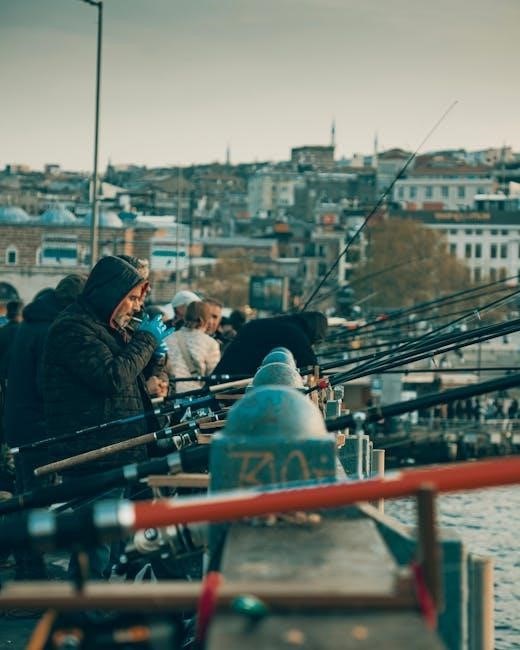
Tipping a fishing guide acknowledges the multifaceted nature of their profession, extending far beyond simply steering a boat․ Guides dedicate themselves to providing a safe, informative, and ultimately successful angling experience․ Their income structure often relies heavily on gratuities, supplementing their base earnings, particularly as they frequently share proceeds with crew members on charter boats․
Unlike salaried positions, a guide’s compensation is directly tied to client satisfaction and the quality of the trip․ A generous tip signifies appreciation for their expertise in navigating waters, locating fish, and imparting valuable fishing knowledge․ It also reflects their commitment to ensuring your comfort and safety throughout the excursion․
Furthermore, guides invest significantly in maintaining their equipment, licenses, and insurance – costs that directly impact their ability to deliver a premium service․ A standard tip, typically between 15-20%, demonstrates recognition of these investments and supports their livelihood․ It’s a tangible way to say “thank you” for a memorable day on the water․
Recognizing Exceptional Service
Exceptional service from a fishing guide warrants a tip exceeding the standard 15-20% range․ Consider factors beyond simply catching fish; a guide’s dedication to creating a personalized and enjoyable experience is paramount․ Did they go above and beyond to accommodate your skill level, patiently explaining techniques and offering tailored advice?
A truly outstanding guide anticipates your needs, proactively adjusting the plan based on weather conditions or fish behavior․ They demonstrate in-depth knowledge of the local ecosystem, sharing insights into the surrounding environment․ Exceptional communication, a positive attitude, and a genuine passion for fishing are also key indicators․
If the guide willingly shares secret spots, provides detailed instruction, or expertly handles challenging situations, a higher tip is a fitting gesture of gratitude․ Remember, a generous tip acknowledges not just a successful fishing trip, but a memorable and enriching outdoor adventure, reflecting the guide’s commitment to excellence․
Guide Dependency on Tips
For many fishing guides, tips constitute a significant portion of their annual income, often supplementing a base salary that may be modest․ Unlike professions with guaranteed hourly wages, guiding relies heavily on client gratuity as a reward for exceptional service and a contribution to their livelihood․
Understanding this financial reality can influence your tipping decision․ Guides invest heavily in their equipment, boat maintenance, and ongoing education to provide a premium experience․ Tips help offset these costs and allow them to continue offering high-quality services․
While effort remains consistent regardless of the tip amount, a generous gratuity is deeply appreciated and directly impacts a guide’s financial well-being․ It acknowledges their expertise, dedication, and the value they bring to your fishing adventure․ Consider tipping as an investment in their continued passion and professionalism․
The Guide’s Role in Your Experience
A skilled fishing guide is far more than just a boat operator; they are curators of an unforgettable experience․ They possess intimate knowledge of local waters, fish behavior, and effective angling techniques, significantly increasing your chances of a successful and enjoyable trip․
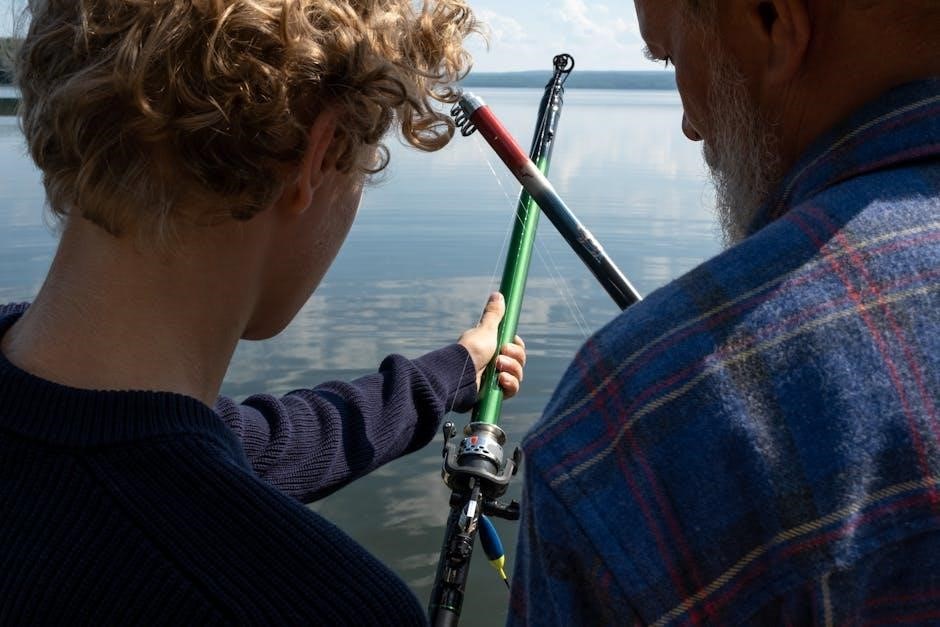
Guides dedicate themselves to providing personalized attention, catering to your skill level and preferences․ They handle all the logistical details – from bait and tackle to safety and navigation – allowing you to focus solely on the thrill of the catch․
Their expertise extends beyond fishing itself, often including insights into the local ecosystem and wildlife․ Recognizing this comprehensive role, and the effort invested in enhancing your day on the water, is crucial when determining an appropriate gratuity․ A tip reflects appreciation for their dedication to creating a memorable adventure․
Standard Tipping Percentages
While not mandatory, tipping your fishing guide is a widely accepted practice demonstrating gratitude for their service and expertise․ Established norms provide a helpful framework for determining a suitable amount, though flexibility is always appreciated based on the quality of your experience․
The industry generally recognizes a 15-20% tipping range as standard for guided fishing trips․ This percentage is calculated on the total cost of the trip, encompassing boat fees, equipment, and any additional services provided․
For charter boats, a slightly broader range of 10-20% is considered appropriate, with 15% frequently cited as the “norm”․ Remember that captains often share tips with their crew, so your generosity benefits the entire team․ These percentages serve as a baseline, adjustable based on individual circumstances․
The 15-20% Range: Industry Standard
The 15-20% gratuity range has solidified as the prevailing industry standard for tipping fishing guides, reflecting a balance between acknowledging excellent service and maintaining reasonable costs for anglers․ This benchmark isn’t a rigid rule, but a widely recognized guideline demonstrating appreciation for a guide’s skills and dedication․
Applying this percentage to the total trip cost offers a straightforward calculation․ For example, a $500 fishing excursion would suggest a tip between $75 and $100․ However, remember that exceptional service warrants leaning towards the higher end of the spectrum․

Many guides consistently deliver exceptional effort regardless of the tip amount, but a generous gratuity acknowledges their commitment to providing a memorable and successful fishing experience․ This range ensures fair compensation and reinforces positive relationships within the guiding community․
10-20% for Charter Boats: A Broader View
When considering charter boat tipping etiquette, a broader range of 10-20% is generally accepted, acknowledging the often larger crews and more extensive services involved․ This flexibility accounts for variations in vessel size, amenities, and the number of crew members contributing to your experience․
The 15% mark remains a commonly cited “norm” within this range, representing a solid gesture of appreciation for the captain and crew’s efforts․ However, factors like exceptional fish catches, outstanding customer service, or particularly challenging conditions may justify a tip closer to 20%․
It’s crucial to remember that the captain typically shares the collected tips with the entire crew, ensuring everyone benefits from your generosity․ Therefore, a thoughtful tip acknowledges the collective effort that contributes to a safe, enjoyable, and productive charter fishing adventure․
15% as the “Norm” for Charter Fishing
Within the charter fishing industry, a 15% gratuity has solidified its position as the widely recognized standard for tipping․ This percentage strikes a balance between acknowledging excellent service and remaining a reasonable addition to the overall charter cost․ It’s a figure that both guides and clients generally find appropriate, fostering positive relationships and encouraging continued quality․
This “norm” isn’t a rigid rule, but rather a helpful benchmark․ It serves as a starting point for determining a fair tip, allowing you to adjust based on the specifics of your experience․ Exceptional service, abundant fish, or a particularly knowledgeable captain might warrant exceeding 15%․
Understanding that the captain will likely distribute these earnings amongst the crew further reinforces the appropriateness of this percentage․ A 15% tip demonstrates appreciation for the collective effort that ensures a memorable and successful charter fishing trip․
Factors Influencing Tip Amount
Determining the appropriate tip for your fishing guide extends beyond a simple percentage; several key factors should influence your decision․ The quality of the overall fishing experience is paramount – did you enjoy yourself, catch fish, and feel well-cared for? A truly exceptional day deserves a generous reward․
The guide’s knowledge and expertise play a crucial role․ Were they able to locate fish effectively, explain techniques clearly, and provide valuable insights into the local ecosystem? A skilled and informative guide enhances the entire experience․
Don’t overlook the condition of the boat and equipment․ A well-maintained vessel and reliable gear contribute to safety and enjoyment․ These aspects reflect the guide’s commitment to professionalism and client satisfaction, potentially influencing your tipping choice․
Quality of Fishing Experience
The most significant factor in determining your fishing guide’s tip is undoubtedly the quality of the experience itself․ Did the day unfold as a memorable adventure, filled with excitement and successful catches? Or did unforeseen circumstances dampen the spirits? A truly outstanding experience warrants a higher gratuity․
Consider whether the guide went above and beyond to ensure your enjoyment․ Did they adapt to your skill level, patiently explain techniques, and offer personalized attention? Exceptional service demonstrates a genuine commitment to client satisfaction, justifying a generous tip․
Even if the fish aren’t biting, a guide’s positive attitude and effort can make all the difference․ A skilled guide can turn a slow day into an educational and enjoyable experience, deserving of recognition through a thoughtful tip․
Guide’s Knowledge and Expertise
A fishing guide’s deep understanding of the local waters and fish behavior is invaluable, and should influence your tipping decision․ Exceptional guides possess extensive knowledge of seasonal patterns, prime fishing spots, and effective techniques․ Did your guide demonstrate this expertise throughout the trip?
Consider if the guide readily shared their knowledge, explaining the nuances of the fishery and helping you improve your skills․ A guide who patiently answers questions and provides insightful tips is demonstrating their value, and deserves appropriate compensation․
Furthermore, assess their ability to adapt to changing conditions․ A skilled guide can quickly adjust strategies based on weather, water clarity, and fish activity, maximizing your chances of success․ This adaptability showcases their expertise and warrants a generous tip․
Boat and Equipment Condition
The condition of the fishing boat and provided equipment significantly impacts the overall experience, and should be factored into your tip․ A well-maintained vessel demonstrates the guide’s commitment to safety and client comfort․ Was the boat clean, organized, and in good working order?
Assess the quality of the fishing gear – rods, reels, tackle – and whether it was appropriate for the target species and fishing conditions․ Reliable equipment enhances your ability to land fish and enjoy the trip․ Guides investing in quality gear are providing added value․
If the boat and equipment were exceptional, reflecting pride and care, consider increasing your tip accordingly․ Conversely, if there were noticeable issues impacting your experience, it’s acceptable to adjust the tip amount to reflect the shortcomings․ A comfortable and functional setup contributes to a successful outing․
Tipping for Different Trip Durations
The length of your fishing trip is a key factor when determining an appropriate tip amount․ Shorter trips, like half-day excursions, typically warrant a smaller gratuity than full-day or multi-day adventures․ Consider the guide’s time and effort relative to the trip’s duration․
For half-day trips, a tip in the range of $50-$100 for one or two anglers is often appreciated, or 10-15% of the total cost․ Full-day trips generally call for a more substantial tip, potentially 15-20% of the charter fee․ Adjust the percentage based on the quality of service received․
Multi-day trips require a cumulative tipping approach․ You can either tip daily, based on the day’s experience, or wait until the end of the trip and provide a single, larger gratuity․ Ensure the total tip reflects the guide’s consistent effort throughout the entire duration․
Half-Day Trips: Typical Tip Amounts
When concluding a half-day fishing trip, expressing your appreciation with a thoughtful tip is customary․ While percentages are helpful guidelines, fixed amounts are also common for shorter excursions․ The ideal tip reflects the guide’s effort in providing a memorable and productive experience․
For a half-day trip with one or two anglers, a tip ranging from $50 to $100 is generally considered appropriate․ Alternatively, a gratuity of 10-15% of the total trip cost is a widely accepted practice․ Factors like exceptional fish-finding skills or outstanding customer service may justify a tip towards the higher end of this range․
Remember that guides rely on tips to supplement their income․ Even a modest tip demonstrates your gratitude for their expertise and dedication․ Consider the overall value of the experience when determining the appropriate amount․
Full-Day Trips: Adjusting the Percentage
For full-day fishing adventures, adjusting the tipping percentage is a common practice to reflect the extended commitment and effort of your guide․ While the industry standard of 15-20% remains a solid benchmark, several factors can influence your final decision․ A guide dedicating an entire day to your experience deserves commensurate recognition․
Considering the longer duration, a tip of 18-20% is often appropriate for full-day trips, especially if the fishing was exceptional or the guide went above and beyond to accommodate your needs․ If the experience was merely satisfactory, 15% remains a respectful gesture․ Remember, guides often share a portion of their tips with crew members․
Evaluate the overall value of the day, including the guide’s knowledge, boat condition, and the quality of the fishing․ A generous tip acknowledges their dedication and expertise․
Multi-Day Trips: Cumulative Tipping Considerations
When embarking on a multi-day fishing expedition, the approach to tipping requires a slightly different strategy than single-day outings․ Instead of calculating a percentage for the entire trip cost at once, it’s generally recommended to tip daily, based on the service received each day․ This allows for flexibility and acknowledges varying levels of performance․
Applying the standard 15-20% range to each day’s rate ensures consistent recognition of the guide’s efforts․ Alternatively, you can calculate a cumulative total at the trip’s conclusion, but daily tipping is often preferred․ This method provides immediate appreciation and allows the guide to benefit throughout the trip․
Consider the overall experience and adjust accordingly; exceptional service consistently warrants a higher percentage․ Remember that guides rely on tips as a significant portion of their income․
Additional Considerations for Tipping
Beyond the standard percentages, several factors warrant consideration when determining a fishing guide’s tip․ Crew tipping is a common practice, especially on larger charter boats, where deckhands contribute significantly to the experience․ While not always mandatory, adding 5-10% of the total charter cost to be shared among the crew is a thoughtful gesture․
All-inclusive packages can be tricky; clarify whether a gratuity is already included before the trip․ If not, adhere to the standard 15-20% guideline based on the package’s value․ However, if service falls short of expectations, it’s acceptable to adjust or even omit the tip․
Remember, tipping is a reflection of satisfaction; don’t hesitate to reward exceptional service generously․ Guides depend on tips, and your appreciation is valued․
Crew Tipping: Is it Necessary?
Determining whether to tip the crew alongside your fishing guide hinges on the level of service they provide and the boat’s operational structure․ On larger charter boats, deckhands often work tirelessly to ensure a smooth and enjoyable experience – baiting hooks, handling fish, and maintaining the vessel․
While the captain typically receives the bulk of the tip, acknowledging the crew’s contributions is a gracious gesture․ A common practice is to add an additional 5-10% of the total charter cost to be distributed amongst the crew members․ This demonstrates appreciation for their hard work and dedication․
However, on smaller operations with only a guide, crew tipping isn’t applicable․ Ultimately, crew tipping is a discretionary act based on service quality and your overall satisfaction․
All-Inclusive Packages: Does the Tip Apply?
When booking an all-inclusive fishing package, the question of tipping can be somewhat ambiguous․ These packages often bundle the cost of the guide, boat, equipment, and sometimes even meals and drinks․ However, the base price typically doesn’t include gratuity, even with comprehensive offerings․
It’s crucial to clarify with the outfitter whether a service charge or gratuity is automatically added to the package price․ If not, adhering to the standard tipping guidelines of 15-20% of the package’s total cost remains appropriate․
Consider the level of personalized service received throughout the trip․ Exceptional guides who go above and beyond deserve recognition, regardless of the package structure․ Don’t hesitate to add extra for outstanding effort․
Poor Service: When to Adjust or Omit a Tip
While tipping is customary, it’s directly tied to the quality of service received․ If the fishing guide provides demonstrably poor service, adjusting or even omitting a tip is justifiable․ This isn’t about avoiding a financial obligation, but reflecting the experience․
Examples of poor service include a lack of effort in locating fish, unprofessional behavior, safety concerns, or a general disregard for your needs․ Before withholding a tip, consider communicating your concerns to the guide directly, if possible, allowing them a chance to address the issues․
If the situation doesn’t improve, a reduced tip (perhaps 5-10%) or no tip at all is acceptable․ Document your reasons for the adjustment, and if dealing with a charter company, provide feedback to management․
How to Present the Tip
Presenting your tip to the fishing guide is a simple gesture of appreciation, with a couple of common methods․ Cash remains a widely accepted and appreciated form of gratuity, offering the guide immediate access to the funds․ Alternatively, many guides now accept tips via credit card, often added to the final bill․
When tipping with cash, you can either hand it directly to the guide, expressing your thanks personally, or leave it with the bill․ Directly handing the tip allows for a more personal connection and a clear expression of gratitude․ Regardless of the method, a verbal thank you is always appreciated․
Discreetly offering the tip is generally preferred, avoiding any awkwardness or drawing unnecessary attention․ A sincere expression of gratitude, combined with the tip, solidifies a positive experience․
Cash vs․ Credit Card Tipping
The debate between cash and credit card tipping for your fishing guide often comes down to convenience and guide preference․ Cash has traditionally been the preferred method, providing the guide with immediate access to the gratuity and avoiding any potential processing fees․ It’s a tangible expression of appreciation, directly benefiting the guide;
However, an increasing number of guides are now equipped to accept tips via credit card, often seamlessly added to the final charter cost․ This offers convenience for anglers who prefer not to carry large amounts of cash․ Be aware that some establishments may deduct a small processing fee from credit card tips․
Ultimately, the best method is the one that is most convenient for you and acceptable to the guide․ Don’t hesitate to ask your guide their preferred method beforehand․
Direct Handing vs․ Leaving with the Bill
The manner in which you present your tip to the fishing guide is a small but meaningful gesture of gratitude․ Directly handing the tip to the guide is often considered the most personal and appreciated approach․ It allows for a direct expression of thanks and acknowledges their service individually․
Alternatively, you can leave the tip with the bill or ask the first mate to deliver it․ This is a perfectly acceptable method, especially if the guide is occupied or you feel more comfortable with a discreet approach․ However, ensure the tip is clearly marked and distinguishable from the charter fee․
Regardless of the method, a sincere verbal expression of gratitude alongside the tip is always recommended․ A simple “thank you” goes a long way in showing your appreciation for their efforts․
Expressing Gratitude Verbally
Beyond the monetary tip, a sincere verbal expression of gratitude significantly enhances the gesture․ Acknowledging the guide’s efforts with a heartfelt “thank you” demonstrates genuine appreciation for their expertise and dedication․ This simple act reinforces a positive connection and leaves a lasting impression․
Specifically mention aspects of the trip you enjoyed or where the guide excelled․ For example, praise their knowledge of fishing spots, their patience in teaching techniques, or their commitment to ensuring a safe and enjoyable experience․ Personalized feedback shows you valued their specific contributions․
A verbal thank you complements the financial tip, conveying that your satisfaction extends beyond the service itself․ It’s a small gesture that can make a big difference in the guide’s day and encourages continued excellent service․