Role of the Pastor in Evangelical Christian Weddings

Pastors lead evangelical wedding ceremonies, guiding couples through scriptural vows and readings. They meet repeatedly to craft promises, select trusted witnesses, and ensure the church community supports the union. Their role blends officiant duties with spiritual mentorship and guide always.
Pastor as Officiant and Spiritual Guide
In evangelical weddings, the pastor serves as both officiant and spiritual mentor. He meets the couple repeatedly before the ceremony to discuss vows, selecting scripture—often from the New Testament—to weave into the service. He advises on trusted witnesses, ensuring the church community supports the union. During the ceremony, the pastor leads prayers, blesses the couple, and pronounces them husband and wife, emphasizing marriage as a sacred covenant under God’s watchful eye. After the vows, he offers pastoral care, encouraging the couple to grow together in faith, love, and service. The pastor also coordinates music, aligns the ceremony with denominational guidelines, and provides counseling on integrating faith into marriage life. His blessing signifies the church’s endorsement of the covenant, and his presence from welcome to final blessing reminds the couple of divine partnership. By combining liturgical skill with pastoral sensitivity, he helps the couple enter marriage with a clear understanding of spiritual responsibilities. He may share testimonies from other couples, facilitate silent prayers, and encourage participation in church services and small groups. The pastor’s guidance extends beyond the ceremony, fostering a lifelong partnership rooted in faith. He can also provide a written guide outlining biblical principles—mutual submission, love, stewardship—and suggest resources for growth. Additionally, he ensures legal requirements are met, bridging spiritual and civil aspects of marriage. This comprehensive approach reflects the evangelical commitment to integrating faith into every facet of life, especially the most intimate covenant of marriage.
Preparing Vows and Scriptural Readings Together
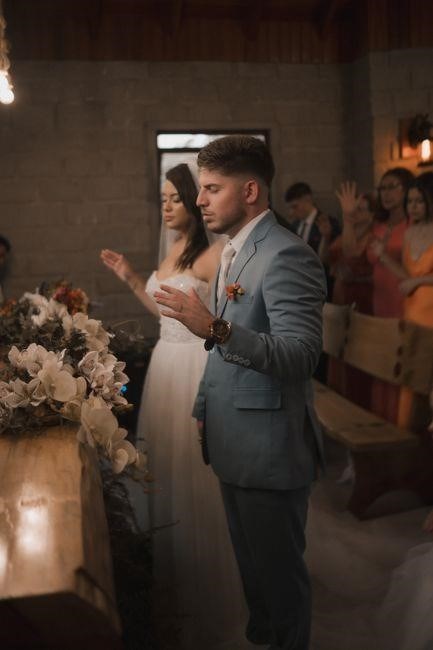
The pastor collaborates with the couple to craft personalized vows that reflect biblical principles such as love, faithfulness, and mutual respect. Together, they review passages from the New Testament—Ephesians 5, 1 Corinthians 13, and Genesis 2—to identify themes that resonate with their relationship. The pastor guides the couple in selecting verses that will be read during the ceremony, ensuring each reading aligns with the vows and the overall narrative of the wedding. Couples often write their vows in a shared journal, revisiting the chosen scriptures to inspire language that is both heartfelt and grounded in scripture. The pastor schedules multiple preparation sessions, allowing time for reflection, prayer, and revision. During these meetings, the pastor offers feedback on wording, encourages the use of inclusive language, and reminds the couple of the covenantal nature of marriage. Once the vows are finalized, the pastor incorporates the selected readings into the ceremony outline, assigning them to appropriate moments such as the exchange of vows or the blessing. The pastor also advises on the order of readings, ensuring a smooth flow that honors both the couple’s personal expressions and the church’s liturgical traditions. By integrating scriptural readings with personalized vows, the ceremony becomes a living testament to the couple’s commitment to live out biblical love in their marriage. All vows sealed today
Pre-Marriage Counseling and Preparation
Pastors guide couples through biblical counseling, covering communication, conflict, finances, and spiritual growth. Sessions prepare hearts, set expectations, and strengthen faith, ensuring a covenant rooted in Scripture before vows are exchanged.
Premarital Counseling Sessions
Premarital counseling is a cornerstone of the evangelical wedding manual, offering couples a structured path to deepen their relationship in Christ. In these sessions, the pastor and a trained counselor explore biblical principles of love, commitment, and unity, drawing heavily from passages such as Ephesians 5:25‑33 and 1 Corinthians 13. Couples discuss practical topics—financial stewardship, family expectations, career goals, and conflict resolution—while grounding each conversation in Scripture. The goal is to build a foundation that can withstand future trials, ensuring that the covenant is not only emotional but also spiritually fortified. Counselors often use tools like the “Love Languages” assessment, adapted to Christian values, to help partners understand how to give and receive grace effectively. Throughout the process, the pastor encourages prayer, accountability, and the involvement of trusted witnesses who can offer support and witness to the couple’s growth. By the end of the series, couples leave with a clear, biblically‑rooted vision for their marriage, a set of shared vows, and a commitment to seek God together in every season. This preparation phase is essential for a lasting, faith‑centered union.
Additionally, the counseling program often includes a “testimony day” where each partner shares personal stories of how God has guided them, fostering transparency and mutual respect. The pastor may also assign a weekly devotional plan, encouraging the couple to study Scripture together and pray for one another. This intentional practice cultivates a shared spiritual rhythm that strengthens their bond. Finally, the counseling culminates in a rehearsal of the wedding vows, allowing the couple to rehearse their promises in a supportive environment. This rehearsal not only refines their words but also reinforces the commitment they are about to make before God and the church community.
Choosing Trusted Witnesses and Supporters
In evangelical wedding manuals, selecting witnesses is a deliberate act of faith, ensuring that those who stand beside the couple embody biblical integrity and love. The pastor typically recommends individuals who have demonstrated commitment to the church, such as long‑time members or mentors, and who can attest to the couple’s spiritual growth. Witnesses are chosen for their ability to provide honest counsel, to encourage the couple in prayer, and to affirm the covenant before God and the community. The manual advises that each witness should have a clear understanding of the vows, the scriptural readings, and the symbolic acts that will occur during the ceremony. By involving trusted supporters, the couple creates a support network that extends beyond the wedding day, offering ongoing encouragement and accountability as they navigate marriage. The pastor may also suggest a “witness circle” that meets weekly during premarital counseling, allowing witnesses to share insights, pray together, and build a shared vision for the couple’s future. This collaborative approach ensures that the witnesses are not merely ceremonial but active participants in the spiritual journey, reinforcing the biblical principle that marriage is a public testimony of faith and commitment.

During selection, the pastor invites witnesses who exemplify Christ‑centered relationships. These individuals share testimonies of God guiding their marriages, offering tangible faith examples. Their presence reinforces the covenant’s public nature and reminds the couple that their union belongs to a larger spiritual community. God’s grace guides!
In evangelical wedding manuals, the pastor collaborates with the couple to craft vows that reflect biblical principles and personal devotion. Couples are encouraged to write promises that honor God, commit to mutual love, and acknowledge the covenant’s spiritual weight. The manual recommends beginning with Scripture, such as Ephesians 5:25‑33, to frame the vows around Christ’s love for the church. The pastor reviews drafts, offering guidance on language that aligns with church teachings and avoids legalistic phrasing. Couples may incorporate personal anecdotes, but the core focus remains on spiritual fidelity, humility, and unconditional support. Throughout the preparation, the pastor encourages the couple to pray together, to seek counsel from trusted mentors, and to reflect on how their vows will guide them through trials and joys alike, ensuring that the marriage remains anchored in God’s grace. When the vows are spoken, the pastor’s blessing affirms the couple’s commitment before God, for in the congregation, and sealing their union with grace and hope.
Ceremony Script and Biblical Elements
The manual outlines a concise ceremony script featuring Scripture readings, prayers, and vows. It recommends 1 Corinthians 13 for love, Ephesians 5 for marital duties, and a closing blessing. The pastor leads with reverenceensuring element reflects evangelical faith God’s covenant dailyin.
Sample Script with Bible Readings (e.g., Corinthians)
Dearly beloved, we gather in the presence of God to witness the union of John and Jane. The pastor will open with a prayer, then read 1 Corinthians 13:4‑7, reminding us that love is patient, kind, and enduring. Next, the couple will recite their vows, echoing the biblical promise of fidelity and mutual respect. The pastor will then read 1 Corinthians 7:12‑14, encouraging them to honor their marriage as a holy covenant. Finally, the ceremony concludes with a blessing from 1 Corinthians 13:13, asking the Holy Spirit to strengthen their bond. The pastor invites the congregation to pray for the couple’s future, affirming that their love is a reflection of Christ’s love for the church. The ceremony ends with a hymn, sealing the vows in God’s grace.
During the ceremony, the pastor may also invite the couple to share personal reflections on how Scripture has guided their relationship. They can speak about the challenges they have overcome together, citing verses that have strengthened their faith. The congregation is encouraged to respond with supportive prayers, affirming the couple’s vows and the covenant before God. The pastor concludes by reminding everyone that marriage is a lifelong partnership rooted in Christ’s love, urging the couple to continually seek His guidance in all seasons. May the Lord bless their journey, guiding them through life.
Incorporating Prayers and Blessings
During an evangelical wedding, the pastor weaves prayers that echo Scripture and the couple’s personal journey. He begins with a prayer of thanksgiving, asking God to bless the gathering and the vows that will be spoken. The prayer may reference Psalm 103:2‑5, reminding the congregation of God’s mercy and grace. Next, the pastor invites the couple to offer a brief prayer of commitment, encouraging them to seek God’s guidance in every decision. After the vows, the pastor reads a blessing from 1 Corinthians 13:13, affirming that love endures and that the couple’s union reflects Christ’s love for the church. He then leads a communal blessing, asking the Holy Spirit to strengthen the partnership, to nurture mutual respect, and to guide them through trials. The pastor may conclude with a benediction that echoes Ephesians 5:25‑33, urging the couple to love each other as Christ loved the church. The blessing ends with a call for the congregation to support the couple, offering prayers for their future, and to celebrate the covenant before God. This prayerful framework ensures the ceremony is rooted in Scripture, invites the community into the marriage, and affirms the couple’s commitment to live as a holy, loving partnership. May the love you share today grow deeper with each passing year, and may you always find strength in one another, in God’s grace, and in the promises you have made. Together will buildlife of faith.
Scriptural Verses for Marriage (e.g., Ephesians, 1 Corinthians)
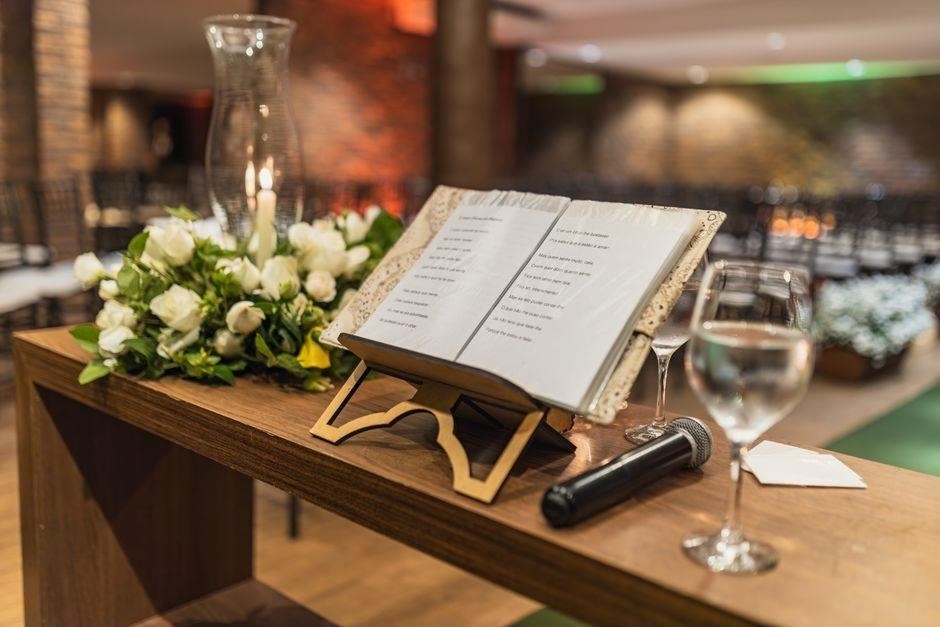
These passages form the backbone of any evangelical wedding ceremony, offering timeless guidance on love, unity, and mutual respect. Ephesians 5:22‑33 calls husbands and wives to a Christ‑centered partnership, where the husband’s love mirrors Christ’s sacrificial love for the church, and the wife’s submission reflects the church’s devotion to Christ. The passage underscores mutual respect, self‑sacrifice, and the sanctity of marriage as a covenant before God. 1 Corinthians 13:4‑7 describes the qualities of love—patient, kind, humble, enduring—and reminds couples that love is the foundation of all Christian relationships. 1 Corinthians 13:13 concludes with the promise that love, faith, and hope will remain, yet love will be the greatest. Ephesians 4:2‑3 urges humility, gentleness, patience, and the pursuit of unity through the bond of peace, encouraging couples to build a home rooted in grace. 1 Peter 4:8 reminds believers that love covers a multitude of sins, urging couples to forgive and cherish one another. Colossians 3:14 encourages the couple to let love bind them together in harmony, while 1 John 4:7‑8 emphasizes that love originates from God and is the evidence of a true relationship. By weaving these verses into vows, readings, and prayers, pastors can help couples internalize Scripture’s teachings, ensuring that their marriage is grounded in biblical truth and guided by God’s love. May the covenant you enter today grow stronger with each prayer and act of service.!
Community and Witness Roles in the Wedding
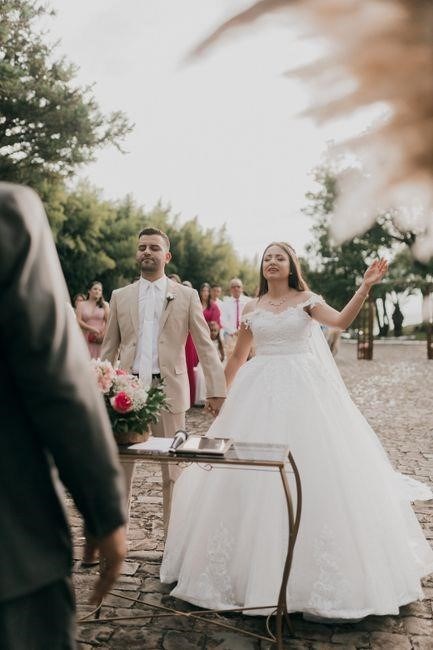
The church community surrounds the couple, offering support, prayers, and accountability. Witnesses affirm commitment, echoing biblical testimony of faith. Their presence strengthens the covenant, reminding all that marriage is a public, God‑centered promise. They celebrate couple’s faith!!
Importance of the Church Community
In evangelical wedding manuals, the church community is portrayed as the living witness to a couple’s covenant. It provides a spiritual backbone, ensuring that the vows are not merely personal promises but are anchored in Scripture and shared faith. The congregation’s presence during the ceremony affirms that the marriage is a public act of God’s grace, inviting collective prayer, support, and accountability. By gathering the church family, the couple demonstrates that their union is intended to reflect the unity of the Body of Christ, where each member plays a role in nurturing the newly formed partnership. The community also serves as a support network after the vows, offering guidance, encouragement, and practical help in the early stages of married life. This communal involvement underscores the belief that marriage is not an isolated event but a communal commitment that strengthens the entire faith body. The church’s role in blessing, witnessing, and sustaining the couple reinforces the theological view that marriage is a divine institution meant to be lived out within a broader spiritual family. Thus, the church community’s participation is essential for both the sanctity of the ceremony and the long‑term health of the marital bond.
The church community offers accountability, prayer partners, counseling resources, and stewardship that help couples navigate challenges, celebrate milestones, and grow in love and faith, ensuring a strong foundation for their life together
Witnesses as Testimony of Commitment
Witnesses in evangelical wedding manuals are chosen for their faith, integrity, and close relationship with the couple. They serve as living proof that the marriage covenant is entered into with genuine intent and mutual devotion. Their role extends beyond mere signatures; they are entrusted with the responsibility of affirming the vows, offering prayers, and standing as a moral compass for the newlyweds. By bearing witness, they demonstrate that the couple’s commitment is not only to each other but also to the church community and to God’s design for marriage. Witnesses are often selected from among church elders, pastors, or long‑time members who can testify to the couple’s spiritual maturity and readiness. Their presence during the ceremony reinforces the biblical principle that marriage is a covenant before God, and that the community bears witness to this sacred bond. After the ceremony, witnesses may continue to support the couple through counseling, prayer groups, or practical help, ensuring that the promise made in front of the altar is lived out faithfully. In many evangelical traditions, the witnesses are required to sign a marriage certificate, symbolizing their acknowledgment of the couple’s vows and their commitment to uphold the marriage’s sanctity. This practice reflects the theological view that marriage is a public declaration, and that the church community, through its witnesses, helps safeguard the integrity of the covenant, encouraging the couple to remain steadfast in love, faith, and service to one another and to God.
Witnesses affirm the covenant’s sanctity, reminding the couple that their love is partnership honoring God and eachotherdaily!